
Evenings That Recharge: Screen-Savvy Habits for Restful School Nights
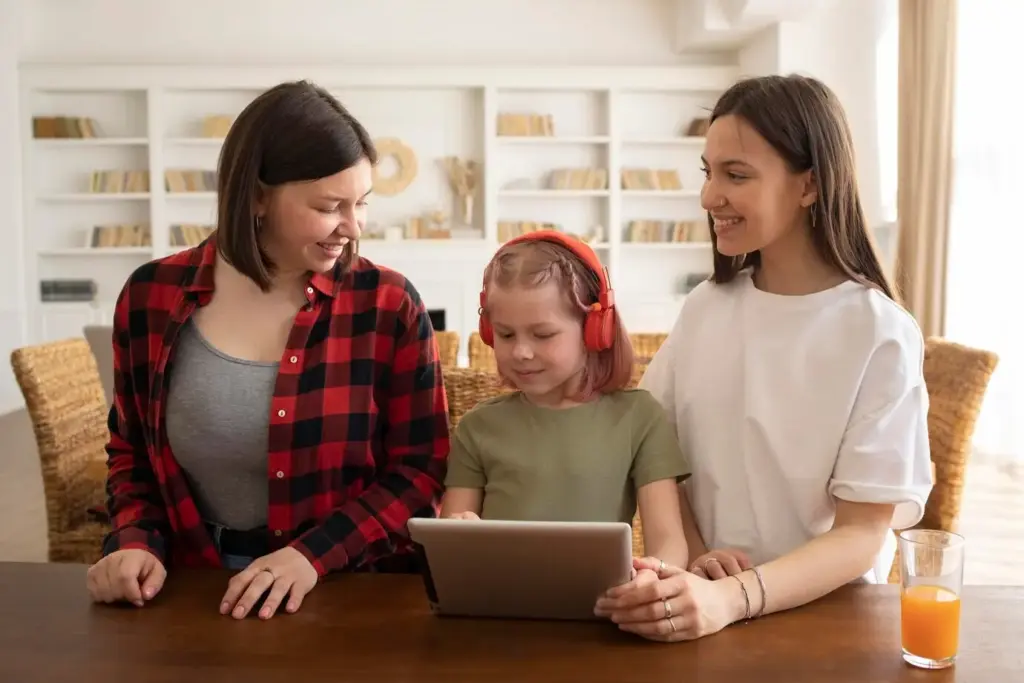
Blue light and melatonin made simple
Think of melatonin as the body’s sunset whisper. Screen light, especially cool tones, tells the brain noon is happening, not bedtime. Dimming displays, warming color temperature, and stepping back from handheld glare lets that whisper grow louder, guiding eyes heavy and minds calm.
Stimulating content keeps brains alert
Even if brightness is low, fast-cut videos, cliffhanger stories, and competitive games pump arousal. Hearts beat faster, thoughts race, and the body prepares to win rather than rest. Choosing slower content, or pausing altogether, invites parasympathetic calm to take the driver’s seat.
The school-night domino effect
When sleep slides late, mornings feel foggy. Homework stretches, mood swings flare, and motivation drops. Over days, memory consolidation weakens and learning feels harder. Protecting wind-down hours protects attention spans, friendships, and confidence, creating a quiet compounding advantage on every school night that follows.
Design a Calming Evening Timeline
Set Up Devices to Help, Not Hinder
Night modes, dimmers, and displays
Enable Night Shift, Blue Light Filter, or Warm Colors after sunset; set displays to auto-dim; try grayscale to make feeds less sticky. Lower refresh rates if available, and nudge fonts larger, easing eye strain while hinting gently that leisure is slowing down.
App limits that feel fair
Use Screen Time, Digital Wellbeing, or Family Link to create Downtime on school nights. Cap video apps, batch notifications into summaries, and mute group threads. Limits feel fair when paired with alternatives: audiobooks, puzzles, podcasts, and sleepy playlists ready at one tap.
Bedrooms that invite sleep
Charge phones outside bedrooms, park tablets in a visible dock, and swap alarm clocks back in. Keep bedrooms cool, quiet, and dim, with blackout curtains if streetlights intrude. Fewer glowing rectangles nearby means fewer decisions, which translates into faster, easier, deeper sleep.
Family Agreements That Kids Help Create
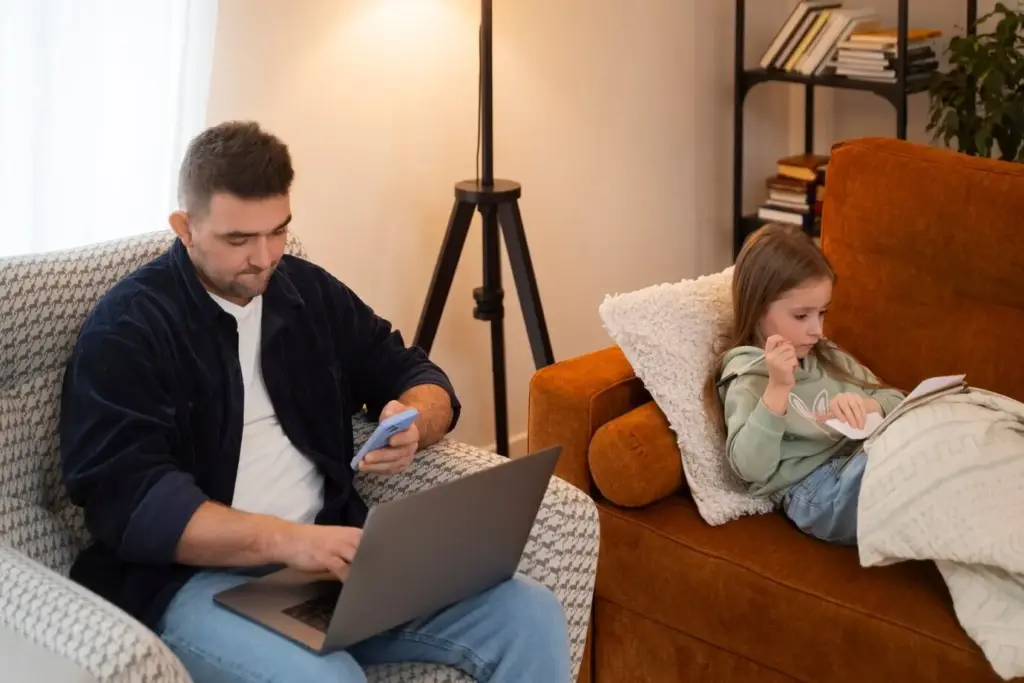
Co-authored rules beat top-down orders

When routines wobble, repair quickly

Motivation that isn’t bribery
Homework, Screens, and Smarter Transitions
Track, Adjust, and Celebrate Progress
Tiny metrics, big insight
Capture three tiny numbers each school night: start wind-down time, lights-out, and minutes to fall asleep. Add a quick mood check in the morning. Patterns emerge fast, showing which settings or rituals help most, so adjustments feel obvious rather than overwhelming.
Weekly family debrief
Hold a short weekly debrief with snacks. Everyone shares one win, one wobble, and one experiment for next week. Adjust curfews, filters, or anchors based on real life, not ideals. Keep voices gentle, and end with appreciation, not lectures.
Share wins, ask for help
Tell us what worked in your home, what flopped hilariously, and what you’re trying next. Leave a comment, subscribe for fresh ideas, and invite another caregiver to join. Our shared experiences turn small adjustments into reliable momentum for calmer nights.
All Rights Reserved.